Digital Dreambuilders: How Online Creators Are Turning Followers Into Utopian Communities
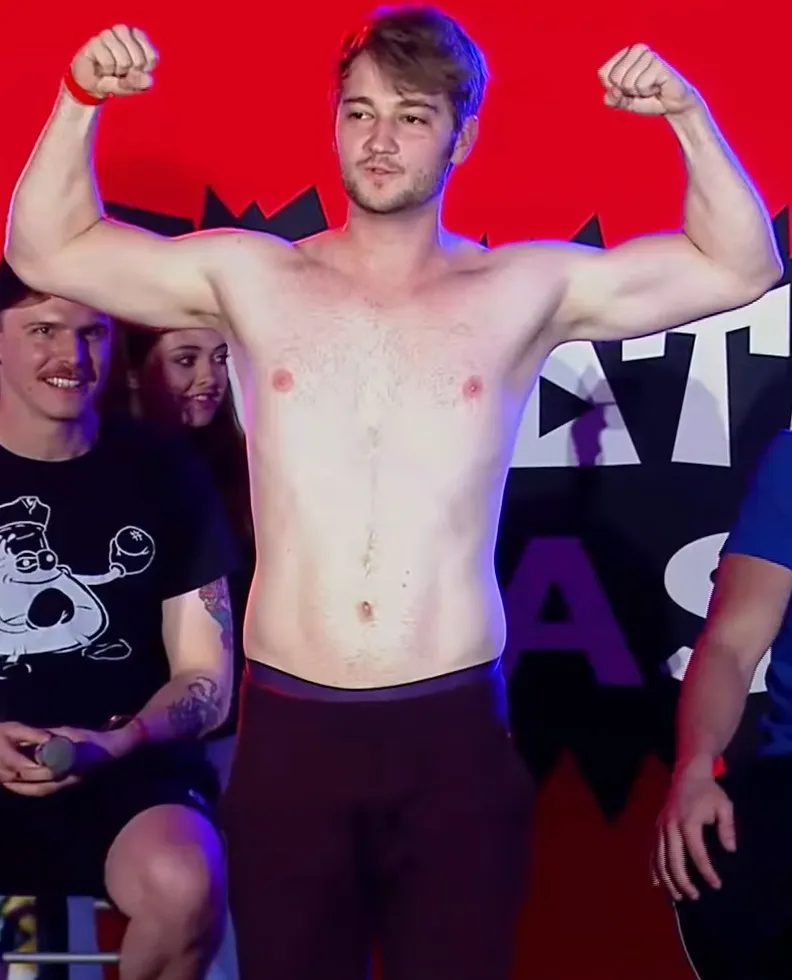
Photo: Esfand, CC BY 3.0, via Wikimedia Commons
Somewhere between a streamer's nightly broadcast and a TikTok artist's latest upload, something quietly extraordinary is happening. People are finding their people. Not in the algorithmic, frictionless way that tech companies promise but rarely deliver — but in the deep, weird, specific way that actually changes how someone feels about logging onto the internet in the morning.
This is the creator economy's best-kept secret: at its highest expression, it isn't really about content at all. It's about world-building.
The Architecture of a Digital Utopia
When we talk about utopia at Yu-Topia, we don't mean perfection in some sterile, unattainable sense. We mean spaces — physical or digital — where people feel genuinely seen, where a shared set of values creates a sense of belonging that's hard to find in most corners of the internet. And increasingly, independent creators are the ones doing the architectural work.
Consider what a successful Twitch community actually is at its core. It has its own language (inside jokes, emote culture, recurring bits that go back years). It has norms — explicit rules in a channel's !rules command, but also unspoken agreements about how members treat each other. It has lore. It has rituals. That's not just an audience; that's a culture.
Creators like Pokimane, Ludwig, and Hasan Piker have built communities that extend far beyond the platforms they stream on — Discord servers that function like small towns, subreddits that generate their own content ecosystem, merchandise that serves as a kind of identity flag. But you don't need millions of followers to build something meaningful. Some of the most genuinely utopian digital spaces online have a few thousand members who'd do anything for each other.
The Independent Advantage: Small Is Sometimes Everything
There's a compelling argument that the most authentically utopian creator communities are actually the mid-tier ones — creators with audiences large enough to be self-sustaining but small enough that the creator still knows regulars by username.
Take the world of "cozy gaming" content on YouTube and Twitch. Creators in this niche — often women or LGBTQ+ creators who deliberately positioned their spaces as antidotes to the toxicity that's historically plagued gaming spaces — have built communities defined by their explicit values. Slow gameplay, gentle humor, active moderation, and a genuine culture of encouragement. These aren't accidental outcomes; they're designed.
The same dynamic plays out in the art community on TikTok, where illustrators and animators have cultivated comment sections that genuinely function as creative support groups. Followers celebrate each other's work, share their own creative struggles in response to a creator's vulnerability, and form friendships that migrate to other platforms. The creator becomes less a broadcaster and more a community anchor.
For many of these creators, the utopian framing is intentional. They're building the internet they wish had existed when they were younger, more isolated, or still figuring out who they were.
The Challenges Nobody Talks About Enough
Here's where we get honest, because any worthwhile examination of the creator economy has to reckon with its friction.
Building a utopian community online is genuinely hard work — and a lot of that work is invisible to the audience. Moderation is exhausting and emotionally costly. The creators who run the tightest, most positive communities are often the ones spending hours behind the scenes handling bad actors, making judgment calls about community conflicts, and managing the emotional labor of being the person everyone looks to when something goes wrong.
There's also the structural tension between community and platform. A creator builds something beautiful on Twitch, and then Twitch changes its revenue split. They pour years into a YouTube audience, and an algorithm update tanks their reach overnight. The communities these creators build are real, but they're housed in infrastructure owned by corporations whose interests don't always align with the communities themselves. The dream is real; the foundation can be shaky.
And then there's the parasocial complexity. When a creator becomes the center of a community's sense of belonging, the relationship between creator and audience can get genuinely complicated. Fans who feel like they know a creator — and in some ways do, given years of daily streams or vlogs — can develop expectations that no real human can sustainably meet. The most thoughtful creators talk openly about this, setting boundaries and actively encouraging their communities to invest in offline relationships too. But not all of them do, and the communities that don't have those guardrails can drift into unhealthy territory.
The Ethics of Building Someone Else's Paradise
There's an interesting ethical dimension here that doesn't get enough airtime: when you build a community around your personal vision of utopia, you're inevitably encoding your values, blind spots, and biases into that space.
The best creators are increasingly aware of this. They bring in moderators with different backgrounds. They actively solicit feedback from their communities about what's working and what isn't. They're willing to be publicly wrong and publicly corrective when their community norms need to evolve. They understand that a utopia that only works for people who look and think like the creator isn't really a utopia — it's a monoculture with good vibes.
The creators who navigate this well tend to share a common trait: they're genuinely curious about their audience as people, not just as a metric. They remember that the community doesn't exist to serve the creator's brand; the creator's work exists to serve the community's sense of belonging.
What This Means for the Future of Digital Culture
The creator economy is still young, and the communities being built right now are experiments in a genuinely new kind of social organization. They're not governments, not companies, not traditional social clubs — they're something new, and the people building them are largely making up the rules as they go.
What's exciting, from where we sit at Yu-Topia, is that the most successful of these experiments share a recognizable DNA with the utopian impulse that's always driven human creativity: the belief that things can be better, that spaces can be kinder, that the right combination of shared values and genuine human connection can produce something that feels, at least some of the time, like exactly where you're supposed to be.
That's not a small thing. In an internet that often feels like it's optimized for outrage and alienation, the creators quietly building their little digital paradises are doing something quietly radical.
They're proving it's possible. And that, honestly, might be the most utopian act of all.