Roll for Community: The Game Cafés Turning Main Street Into a Living Room
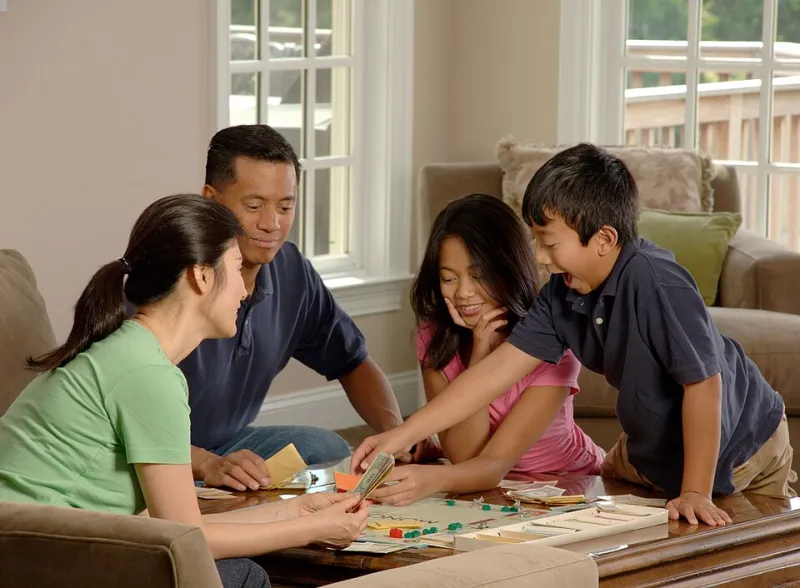
Photo: Bill Branson (Photographer), Public domain, via Wikimedia Commons
On a Thursday night in a mid-sized American downtown—think Grand Rapids, Knoxville, or a converted hardware store in Fort Wayne—the sound is not the clink of pints alone. It is the shuffle of cards, the rattle of dice in a plastic cup, and someone explaining the rules of a game about running a bird sanctuary. Welcome to the game café, a quietly growing fixture on Main Streets from the Midwest to the Mountain West.
These spaces go by different names. Board game cafés charge a table fee or ask you to buy food and drink. LAN lounges rent PCs by the hour. Tabletop bars pair shelves of titles with a short menu and a no-phones rule. The formats vary, but the promise is similar: a room where play is the point, not a side attraction.
The Third Place, With Meeple
Sociologist Ray Oldenburg popularized the idea of the third place—the spot that is neither home nor work, where community happens by accident. For decades, Americans have watched those places thin out: bowling alleys close, diners get redeveloped, malls go quiet. Game cafés are not a cure-all, but they are a stubborn little countertrend. They turn utopian play—the idea that a group can build a world together for an evening—into a real-world civic habit.
The appeal is not mysterious. A board game café asks less of you than a bar and more of you than a streaming queue. You have to sit across from other people, read a room, negotiate turns, lose gracefully. That is a social workout disguised as fun. For remote workers and new transplants, it is also a low-stakes way to be around strangers without the pressure of a networking event.
Why Now, and Why Not Just Online
Online play is not the enemy here. The same people who log into co-op shooters on Tuesday may show up for a tabletop night on Thursday. But there is a tactile difference. Components get worn. Someone spills a drink and everyone groans. A stranger teaches you a game you would never have picked. These small frictions build trust in a way a matchmaking lobby rarely does.
The economics are tricky. Game cafés need space, insurance, and a library that does not walk out the door. They need staff who can recommend a game for four people who disagree about everything. That is why a good one feels less like retail and more like a clubhouse with a health permit. It is also why the vibe can collapse fast if the room is run like a warehouse with snacks.
How to Spot a Good One
You can learn a lot in ten minutes. A good game café has a visible library with clear labels and staff who actually play. It has tables sized for the games it stocks, not just cute furniture. It has a noise policy—some rooms loud, some quiet—and it enforces it. It has events that are not all competitive, and it makes room for beginners without treating them like a problem.
Look for clean components and a repair kit. Look for a menu that is simple enough to execute during a rush. Look for signs that regulars help newcomers instead of guarding their favorite table. And look for a shelf that includes weird small games, not just the same five bestsellers every store carries.
What the Room Asks of You
A game café is not a free living room. It asks you to buy something, to respect the shared library, and to leave a table when your time is up. It asks you to teach a game without being condescending. It asks you to welcome the person who came alone. None of that is hard, but it is a habit. The utopian part is not the décor. It is the agreement that for a couple of hours, everyone gets a turn.
That is the quiet promise of these places. They do not pretend to fix loneliness or downtown retail. They just give a neighborhood a table, a shelf, and a reason to show up. In a country that has spent years optimizing away the places where people bump into each other, that is not small. It is a start button.