Dream Teams, Broken Seams: What Really Tears Gaming Communities Apart
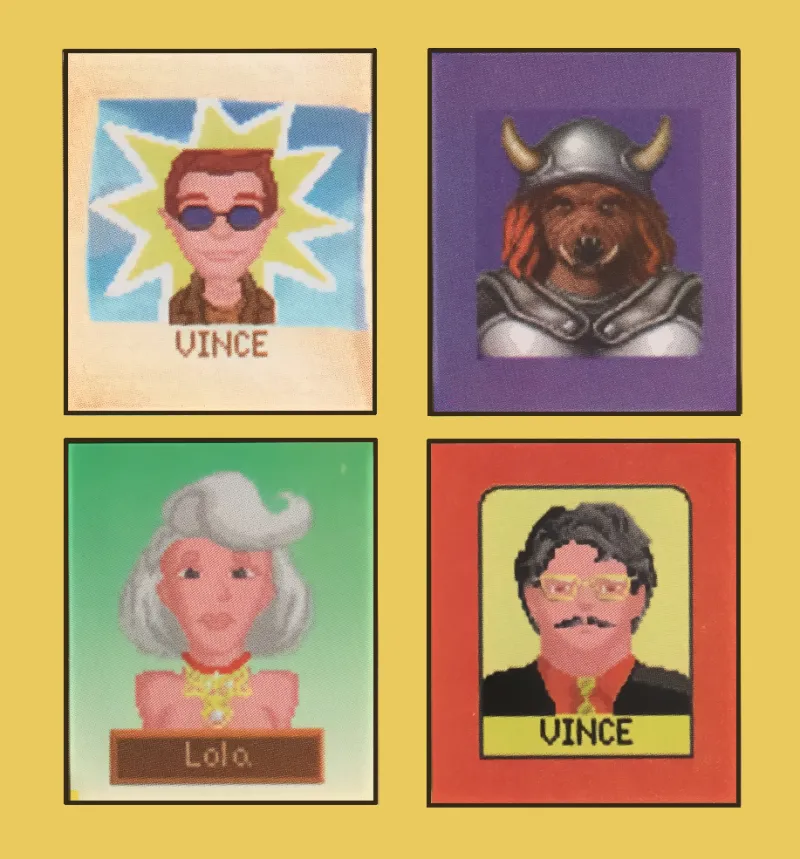
Photo: Sierra On-Line, CC BY-SA 4.0, via Wikimedia Commons
Every thriving gaming community starts with a spark — a shared vision, a Discord server, a handshake promise that this time, things will be different. A roleplay collective built around a custom Minecraft lore world. An indie co-op group swearing off toxic matchmaking forever. A tight-knit guild that genuinely believes it's found the antidote to everything wrong with online gaming culture.
And then, somewhere between the founding manifesto and the first real conflict, something goes sideways.
This isn't a cynical take. It's actually a pretty fascinating look at human psychology, group dynamics, and the specific pressure cooker that online gaming spaces create. Because the communities that fall apart hardest are almost never the ones built on bad intentions. They're the ones built on the best intentions — and that's exactly what makes the collapse so confusing and painful for everyone involved.
The Utopian Founding Problem
Here's the thing about communities born from a shared dream: the dream does a lot of heavy lifting in the early days. When everyone is united around a vision — say, a Dungeons & Dragons roleplay server where lore is sacred and drama is banned — the energy is electric. People show up. They contribute. They feel like they've finally found their people.
Psychologists call this the "honeymoon phase" of group formation, and it maps almost perfectly onto how new gaming communities behave. Conflict is low because expectations haven't been tested yet. The rules feel obvious because nobody's pushed against them. The founder is beloved because they haven't had to make a single hard call.
But utopian framing creates a specific kind of trap. When you build your community around the idea that this is the good place — the anti-toxic server, the drama-free guild, the space where real gamers finally treat each other right — you're setting an impossibly high bar. Real people, even well-meaning ones, will eventually fall short of it. And when they do, the disappointment hits harder than it would in a community that never promised perfection in the first place.
When the Founder Becomes the Bottleneck
Leadership burnout is probably the single most underreported cause of community collapse, and it plays out in remarkably similar ways across gaming spaces of all sizes.
It usually starts with one person — the visionary, the admin, the person who set up the server at 2 a.m. because they had an idea they couldn't shake. In the early days, that person's energy is the community's energy. They're moderating disputes, welcoming new members, organizing events, and keeping the vibe alive almost entirely through personal effort.
What they rarely do is build systems that can survive without them.
Fast forward six months. The community has grown. The founder is exhausted. Moderation decisions that used to feel easy now feel like political landmines. Factions have formed around different interpretations of what the community is supposed to be. And the founder — who started this whole thing because they loved gaming and wanted to share that love — is now spending more time managing interpersonal drama than actually playing.
The burnout that follows isn't just personal. It's structural. When the person holding everything together steps back (or snaps, or quietly ghosts their own server), there's often no infrastructure left to catch the fall. The community doesn't just lose a leader. It loses its center of gravity.
The Expectation Gap Nobody Talks About
One of the quieter killers of gaming communities is what you might call the expectation gap — the space between what members were promised and what they actually experience.
This shows up in a few different ways. Sometimes it's about activity levels. Someone joins a "highly active" co-op collective and finds that peak hours mean six people online. Sometimes it's about culture. A server markets itself as welcoming to all skill levels, but veteran members make newcomers feel unwelcome through subtle gatekeeping. And sometimes it's about the vision itself — the founding dream was always a little vague, and as the community grows, different members fill in that vagueness with completely different assumptions.
When those assumptions collide, the conflict that follows feels disproportionately intense. That's because it's not really about whatever surface-level disagreement triggered it. It's about the gap between what people hoped this community would be and what it actually is. And that's a much harder thing to resolve than a fight over server rules or loot distribution.
What the Survivors Are Doing Differently
Here's the good news: some communities do make it. And the ones that last tend to share a few specific traits that set them apart from the ones that implode.
They build for reality, not the ideal. Successful long-term communities don't pretend conflict won't happen. They build moderation systems, escalation paths, and clear community guidelines before they need them — not as a reaction to crisis, but as a foundation for growth.
They distribute leadership early. The communities that survive their founder's burnout are the ones that treated leadership as a shared responsibility from the start. Multiple moderators, rotating event organizers, documented processes — these things feel bureaucratic when a community is small and vibing. They're lifesaving when things get complicated.
They stay specific. Broad visions attract broad audiences, and broad audiences have broad disagreements. The gaming communities with the best long-term retention tend to be surprisingly narrow in focus. A server dedicated specifically to cozy farming games with a no-spoilers policy. A co-op collective that only plays one game and has a formal onboarding process. The specificity isn't a limitation — it's a filter that keeps expectations aligned.
They talk about the hard stuff out loud. Thriving communities normalize conversations about burnout, conflict, and community health before those things become emergencies. They have channels for feedback. They check in with their moderators. They treat the community itself as something that needs active maintenance, not just a vibe that either exists or doesn't.
The Real Lesson
The communities that fall apart aren't failures of vision. They're failures of infrastructure — emotional, social, and organizational. The dream was real. The people were genuine. But dreams need scaffolding, and most gaming communities are so focused on building the perfect world that they forget to build the plumbing.
At Yu-Topia, we believe in the possibility of genuinely great online spaces. But we also know that utopia isn't something you declare — it's something you maintain, one hard conversation and one thoughtful system at a time. The communities worth being part of are the ones that know the difference.
So if you're building something right now — a server, a guild, a collective, a crew — take a beat before you write the founding manifesto. Ask yourself: what happens when this gets complicated? Because it will. And the answer to that question matters more than the dream itself.