The Open World Lie: How Games Selling Freedom Are Actually Building Cages
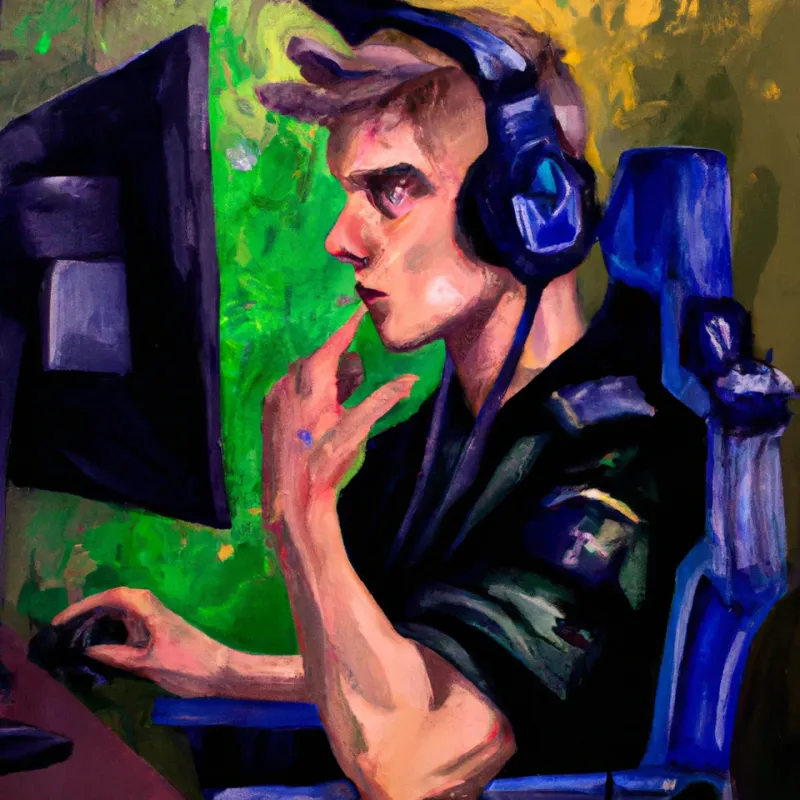
Photo: AstraxVZ, CC BY-SA 4.0, via Wikimedia Commons
There's a pitch that's become almost universal in modern gaming: play however you want. No wrong answers. No rigid paths. Just you, a massive world, and infinite possibility. It sounds like utopia. And for a moment — usually the first few hours — it genuinely feels that way.
Then the season ends in six days. Your battle pass is only 60% complete. A limited-time event launched this morning, and if you don't log in by Sunday, you'll miss cosmetics that won't come back for a year. Maybe ever.
Suddenly, your consequence-free playground has a schedule. And you're already behind.
The Freedom Illusion Is a Feature, Not a Bug
Game designers are smart people. When a studio markets a title as an open sandbox or a living world, they know exactly what emotional buttons they're pressing. Freedom is one of the most powerful selling points in any medium — it's why road trip movies resonate, why the American frontier mythos never dies, and why "do anything" game trailers rack up millions of views before a single review drops.
But here's the thing: true freedom is terrible for player retention metrics. A game that genuinely lets you walk away whenever you want, with no consequence, no expiring rewards, and no social pressure to stay — that game struggles to justify a live-service model. So developers engineer the feeling of freedom while quietly installing invisible fences everywhere.
The open world becomes a stage. The player agency becomes a performance. And the "no rules" promise gets walked back one seasonal event at a time.
FOMO Is the Real Game Mechanic
Fear of missing out isn't a side effect of live-service games — it's load-bearing infrastructure. Titles like Fortnite, Destiny 2, and Genshin Impact have built entire content calendars around the anxiety of absence. Log off for two weeks and you return to a world that's moved on without you: new meta, new story beats, new skins that are already gone.
This is deliberate. Research in behavioral psychology consistently shows that scarcity and time pressure are among the most effective motivators for action. Game studios have essentially gamified anxiety itself, wrapping it in colorful UI and calling it "seasonal content."
The cruel irony? The players who engage most with these systems — the ones grinding daily challenges and stacking battlepass tiers — often report the least enjoyment. They're not playing because it's fun. They're playing because stopping feels like losing something.
That's not a utopia. That's a subscription with extra steps.
The Illusion of Agency in a Scripted Playground
Player agency — the sense that your choices genuinely matter — is one of gaming's most celebrated qualities. It's what separates an interactive experience from a movie. But in many modern open-world and live-service games, agency is carefully curated rather than genuinely granted.
You can customize your character seventeen different ways, but you'll face the same content as everyone else on the same weekly reset. You can "choose your playstyle," but the meta will quietly punish anything that isn't optimized. You can explore a massive map, but the interesting stuff is gated behind a progression wall that conveniently requires another forty hours.
The choices feel meaningful in the moment. The structure makes sure they're not.
This isn't inherently malicious — game design requires guardrails, and not every constraint is a cash grab. But there's a meaningful difference between structure that serves the player's experience and structure that serves the developer's engagement numbers. Too many games have quietly crossed that line, and too many players have normalized it.
What Genuine Respect for Player Time Looks Like
Not every game falls into this trap, and the ones that don't are worth paying attention to.
Elden Ring gives you a massive, brutal world with zero hand-holding and zero live-service hooks. You play it, finish it (or don't), and it doesn't punish you for walking away. Stardew Valley lets you set your own pace without a single countdown timer threatening your progress. Hades respects your session length and doesn't dangle expiring rewards to force you back.
These games trust their players. They're designed around the assumption that a good experience is enough — that you don't need to manufacture dependency to build loyalty. And they've all found massive, devoted audiences without engineering anxiety into their core loops.
The lesson for developers is sitting right there, but the incentives of the live-service model make it hard to hear.
Building a Healthier Relationship With Your Open World
If you're a player navigating this landscape, awareness is the first move. Ask yourself honestly: am I playing this because I want to, or because I feel like I have to? There's a real difference between genuine enthusiasm and obligation dressed up as entertainment.
Some practical resets worth trying:
- Skip a season intentionally. See how it feels. If the anxiety of missing limited content is stronger than your actual enjoyment of the game, that's information worth having.
- Set session limits before you log in. Decide in advance how long you're playing and what you want to do. Don't let the game's daily checklist become your to-do list.
- Rotate in games with defined endpoints. Single-player titles with clear finishes remind you what it feels like to play on your own terms.
- Mute the battlepass UI. Seriously. Some games let you hide progress trackers. Use that option and notice whether you enjoy the actual gameplay more without the metrics staring at you.
The Utopia Worth Building
At Yu-Topia, we believe the best gaming experiences genuinely expand your world rather than quietly contracting it. A game that respects your autonomy — that trusts you to come back because it's good, not because you're afraid to leave — is a game worth celebrating.
The open-world promise is still beautiful. A vast, handcrafted space where you can lose yourself for hours, make real choices, and feel genuinely free? That's worth chasing. But it's worth being honest about when a game is actually delivering on that promise versus when it's just renting you the feeling while keeping the keys.
Real freedom in gaming, like real freedom anywhere, doesn't come with a countdown timer. The moment your "unlimited" playground starts scheduling your visits, it's worth asking who the playground was really built for.
Spoiler: it probably wasn't you.