Avatar Nation: How Your Virtual Self Is Becoming Your Most Authentic One
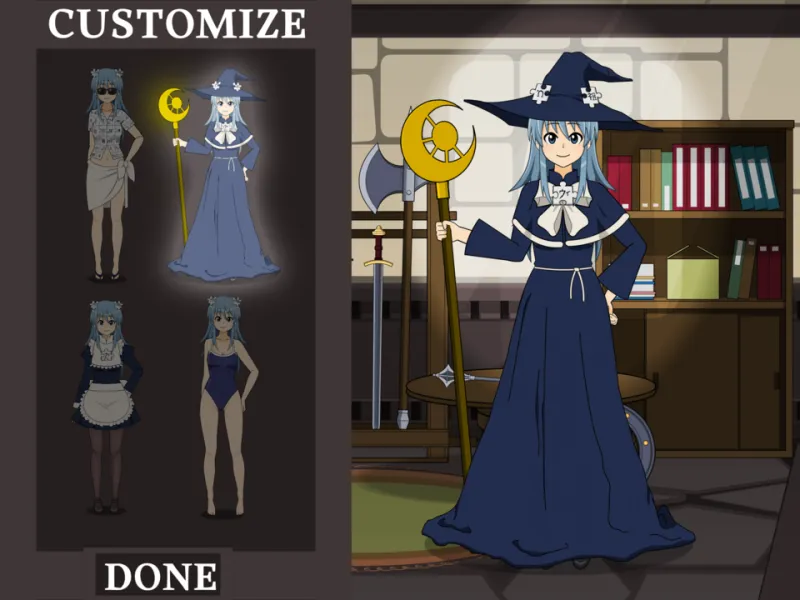
Photo: Dronebogus, CC BY-SA 3.0, via Wikimedia Commons
There's a moment every new metaverse user experiences — that pause right before you finalize your avatar. You've scrolled through hairstyles, tweaked skin tones, agonized over whether your digital self wears streetwear or fantasy armor. And then it hits you: this version of you doesn't have to compromise. No bad hair days. No dress codes. No social anxiety about walking into a room.
Welcome to the new frontier of identity, where the "perfect self" isn't a fantasy — it's a few customization menus away.
The Psychology of the Perfect Avatar
Game designers and behavioral psychologists have been fascinated by avatar creation for years, but the explosion of metaverse platforms has turned what was once a niche curiosity into a mainstream phenomenon. Millions of Americans — from Gen Z college students to suburban parents exploring platforms like VRChat, Roblox, and Horizon Worlds — are investing serious time and, increasingly, serious money into crafting their digital personas.
Dr. Jesse Fox, a researcher who has studied virtual self-representation extensively, coined the term "Proteus Effect" to describe how the avatars we choose actively shape our behavior. Put simply: when you look like a confident, powerful version of yourself in a virtual space, you start acting like one. The digital mirror reflects back not who you are, but who you're becoming.
For a lot of players, that's not escapism — it's rehearsal.
"I'm pretty introverted in real life," says Marcus, a 24-year-old from Austin who spends evenings in Decentraland. "But my avatar is outgoing, stylish, and honestly kind of fearless. And the weird thing is, some of that has started bleeding into how I carry myself at work. I started dressing better. I speak up more in meetings. It sounds ridiculous but the game kind of coached me."
Marcus isn't alone. Across Reddit threads, Discord servers, and TikTok testimonials, users are reporting similar experiences — that building an idealized digital self has a genuine, measurable effect on real-world confidence.
Virtual Real Estate and the Art of the Perfect Space
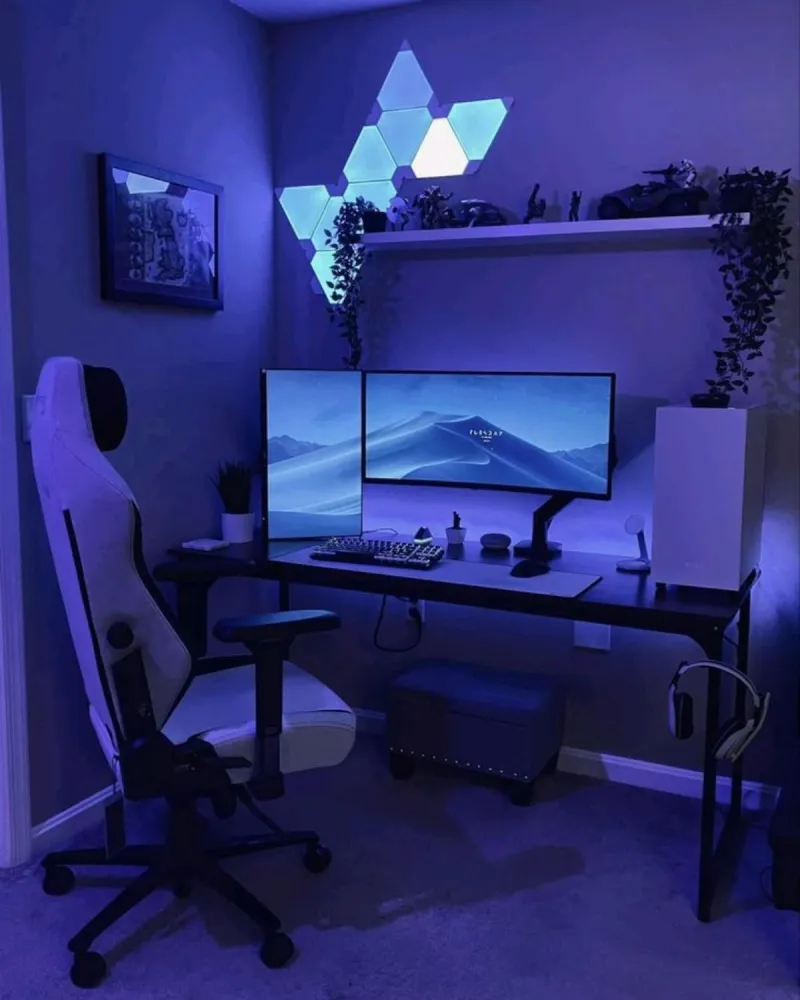
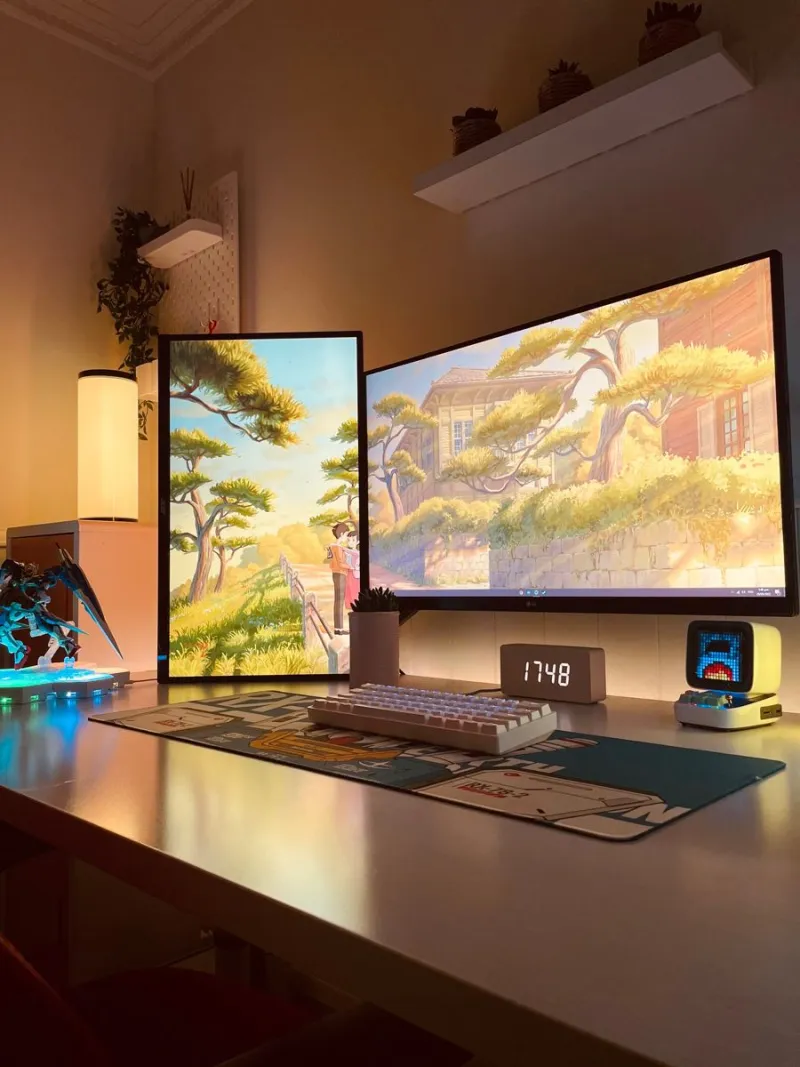
It's not just about how your avatar looks — it's about where they live. Virtual real estate has quietly become one of the most expressive and competitive corners of the metaverse economy. In platforms like The Sandbox and Decentraland, users buy, build, and curate digital land parcels that function as both personal sanctuaries and social hubs.
Think of it like interior design, except the only limit is your imagination (and maybe your crypto wallet). Some users build minimalist zen spaces. Others construct sprawling fantasy estates with libraries, art galleries, and rooftop gardens that would cost millions in any American city. The point isn't wealth flexing — at least not entirely. It's the deeply human desire to have a space that reflects your values, your aesthetic, and your vision of what life could look like.
For communities that have historically felt marginalized or boxed in by real-world constraints, this kind of spatial freedom carries extra weight. LGBTQ+ communities, neurodivergent users, and people with physical disabilities have found metaverse spaces to be uniquely liberating — places where the usual social friction simply doesn't apply.
Dressing the Dream: Fashion and Identity in the Metaverse
If you think spending $40 on a digital jacket sounds absurd, you haven't been paying attention to the numbers. The virtual fashion market is projected to hit billions of dollars within the next few years, and major brands — Nike, Gucci, Ralph Lauren — have already planted their flags in virtual storefronts.
But for everyday users, metaverse fashion isn't about brand loyalty. It's about self-expression without consequence. You can wear a ballgown to a virtual concert on a Tuesday afternoon. You can change your entire look between hangouts. You can experiment with gender presentation, subculture aesthetics, and styles that might feel too bold or too vulnerable to try out in a Starbucks line.
This kind of low-stakes experimentation is genuinely valuable. Style has always been a language, and the metaverse gives people a space to learn that language before speaking it out loud in the physical world.
Community Belonging in a Fragmented World
Here's the part that often gets lost in the breathless tech coverage of the metaverse: the strongest pull isn't the graphics or the virtual economy. It's the people.
American social life has grown increasingly fragmented over the past decade. Third places — the coffee shops, community centers, and local hangouts that once anchored neighborhood identity — have been disappearing. Loneliness statistics are genuinely alarming. And into that vacuum, virtual worlds have stepped with something surprisingly powerful: structured community.
When you build a persona in a metaverse space, you're not just designing a character — you're signaling tribe membership. Your avatar's aesthetic, your virtual neighborhood, your chosen platform — these are all social cues that attract like-minded people. The result is that many metaverse communities feel tighter-knit than most physical neighborhoods do today.
"I have friends in VRChat that I've known for three years," says Destiny, a 29-year-old from Chicago. "We've been to each other's virtual birthday parties. We've talked each other through breakups. I've never met any of them in person, but I genuinely don't know what I'd do without them."
Building Toward Something Real
The cynical read on all of this is that metaverse identity is just avoidance — a way to sidestep the messy, uncomfortable work of building a real life. And sure, like any tool, it can be misused.
But the more generous — and arguably more accurate — read is that these digital spaces are functioning as genuine laboratories for identity. They're places where people can experiment, connect, fail safely, and discover what they actually want before they go looking for it in the physical world.
At Yu-Topia, we're pretty invested in the idea that utopia isn't a destination you arrive at — it's a direction you keep moving toward. And if a well-designed avatar in a virtual world helps someone take a step toward the life they want? That's not a distraction from reality. That's the whole point.
So go ahead. Spend twenty minutes on that hairstyle. Your future self might thank you.