Slow Down to Level Up: Why Cozy Games Are the Mental Health Reset We All Needed
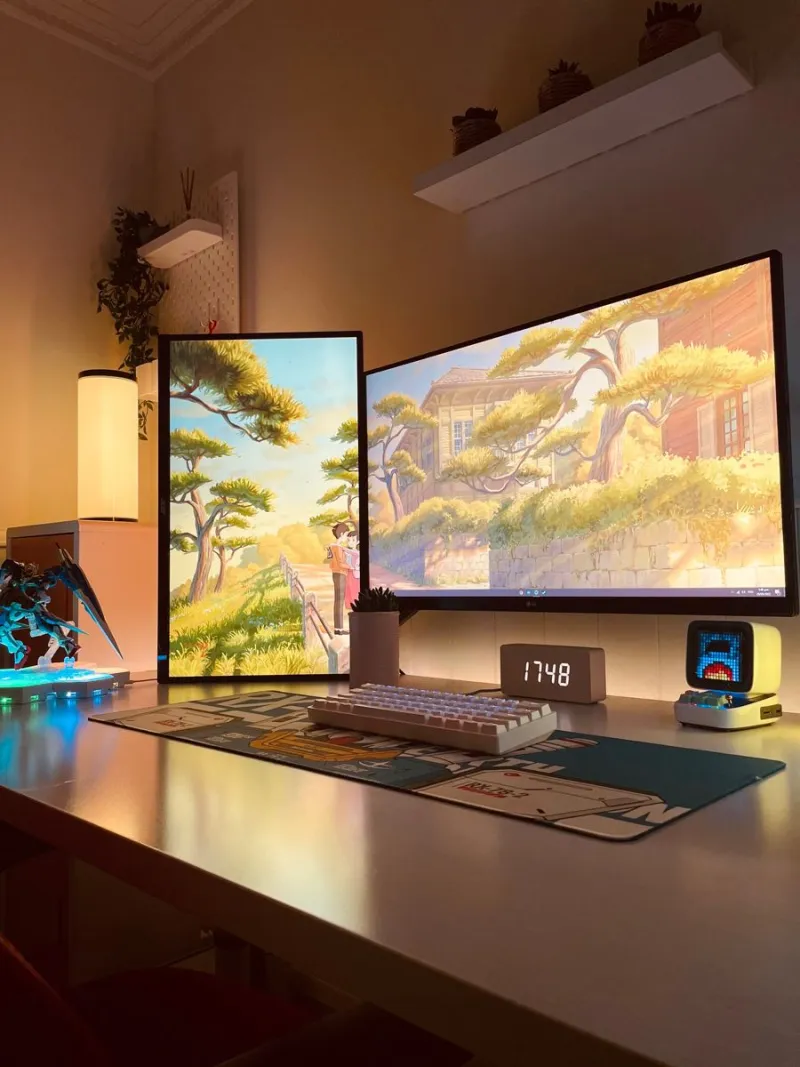
Photo: cozy gaming setup warm lighting person playing relaxing video game on Nintendo Switch, via i.pinimg.com
Let me paint you a picture. It's 11 PM on a Wednesday. Your inbox is a disaster. The news is, as always, a lot. And instead of doom-scrolling or stressing about tomorrow's meeting, you're watering your pixel crops in Stardew Valley, listening to a lo-fi soundtrack, and feeling — genuinely, inexplicably — okay.
If that scenario sounds familiar, you're part of one of the most interesting cultural shifts in gaming history. Cozy games — low-stakes, non-competitive, often narrative-rich games built around care, creativity, and calm — have gone from a niche genre to a full-blown phenomenon. And the more chaotic the world outside gets, the more people are flocking to them.
This isn't a coincidence. It's a design philosophy. And it's worth understanding why it works so well.
What Even Is a Cozy Game?
The term "cozy game" is intentionally loose, which is part of its charm. At its core, a cozy game is any game that prioritizes comfort over competition. Failure, if it exists at all, is gentle and consequence-free. Progress is personal rather than comparative. The aesthetic tends toward the warm and whimsical — soft color palettes, ambient soundtracks, characters who are more likely to offer you tea than challenge you to a duel.
The genre's biggest names have become genuine cultural touchstones. Stardew Valley, developed solo by ConcernedApe (Eric Barone) over four years, has sold over 20 million copies and inspired an almost devotional community of players. Animal Crossing: New Horizons broke Nintendo sales records and became the game of the pandemic — a virtual island paradise during one of the most isolating periods in modern American life. Spiritfarer, from Thunder Lotus Games, is a cozy management game about death and grief that somehow made millions of players feel better about both.
More recently, titles like Stardew spiritual successor Coral Island, Palia, and the delightfully named Snacko have shown that the genre isn't slowing down. If anything, it's expanding.
Designing Peace on Purpose
What separates a genuinely cozy game from one that just has cute graphics? According to the designers building these worlds, it comes down to intentional friction removal.
"Every design decision in a cozy game is essentially asking the question: does this create stress, or does it create flow?" says one indie developer working on an upcoming farming sim. "If it creates stress that doesn't serve the player's sense of agency or accomplishment, it gets cut. Full stop."
This philosophy shows up in mechanics that mainstream gaming often takes for granted. There are no lives to lose. No ranked matchmaking. No aggressive monetization timers counting down to punish you for logging off. In Animal Crossing, your villagers don't get mad if you ignore them for a month. In Stardew Valley, if you pass out from exhaustion, you wake up in your bed with a small fine — not a game over screen.
These design choices aren't lazy. They're radical. They represent a deliberate rejection of the anxiety-inducing feedback loops that power most major titles — the ones engineered to keep you playing not because you're having fun, but because stopping feels like losing.
Thunder Lotus co-founder Will Dubé has spoken publicly about the careful emotional calibration that went into Spiritfarer, a game that deals with loss and mortality but consistently leaves players feeling held rather than devastated. "We wanted players to feel like they were being taken care of while they were taking care of others," he's explained. That's a mission statement, not just a game pitch.
The Real-World Anxiety Epidemic Behind the Genre's Rise
It would be impossible to talk about the cozy game boom without acknowledging what's driving people toward these digital sanctuaries in the first place. American anxiety levels have been climbing for years. The pandemic accelerated trends that were already in motion — social fragmentation, economic stress, the relentless cognitive load of living online. The average American adult is more burned out, more overstimulated, and more starved for genuine rest than at almost any point in recent memory.
Against that backdrop, the appeal of a game that asks nothing of you except to show up and tend your garden starts to make a lot of sense.
Clinical psychologists have begun paying attention. The concept of "restorative environments" — spaces, real or virtual, that allow the brain to recover from directed attention fatigue — maps cleanly onto what cozy games provide. When you're wandering through Animal Crossing's soft-lit shores or sailing through Spiritfarer's painted skies, your brain isn't being challenged. It's being replenished.
For players who struggle with traditional gaming's competitive pressure — including many women, older players, and people with anxiety disorders — cozy games have been genuinely life-changing. They've opened a door into gaming culture that previously felt unwelcoming.
The Creator Community That Grew Up Around Cozy
One of the most interesting side effects of the cozy game movement is the creative ecosystem it's spawned. Cozy gaming content on YouTube and TikTok — ambient playthroughs, farm tours, decorating time-lapses — has become its own genre of relaxation media. Watching someone else play Stardew Valley while rain sounds play in the background has become a legitimate form of self-care for a significant chunk of the internet.
Streaming communities built around cozy games tend to mirror the games themselves: low-drama, supportive, and genuinely warm. It's a corner of gaming culture that actively pushes back against toxicity, and that's not nothing.
Fan creators are also thriving — cozy game-inspired art, music, recipes, and even real-world garden projects have proliferated across Pinterest, Etsy, and Instagram. The genre has become a lifestyle aesthetic as much as a gaming category.
The Utopian Impulse at the Heart of It All
Here's what I keep coming back to: cozy games are, at their core, utopian projects. They're small, handcrafted visions of what the world could feel like if it were gentler, more forgiving, and more beautiful. They don't promise to fix anything. They just offer a few hours in a place where things work — where your effort is rewarded, your neighbors are kind, and the worst thing that can happen is you forget to water your parsnips.
In a world that often feels like it's running on stress and scarcity, that's not a small thing. That's a reminder of what we're actually reaching for.
And maybe — just maybe — spending time in those gentle virtual worlds makes us a little more committed to building something like them in the real one.
Now if you'll excuse me, I have some turnips to sell.