Stuck on Replay: How Retro Obsession Is Quietly Killing Your Gaming Future
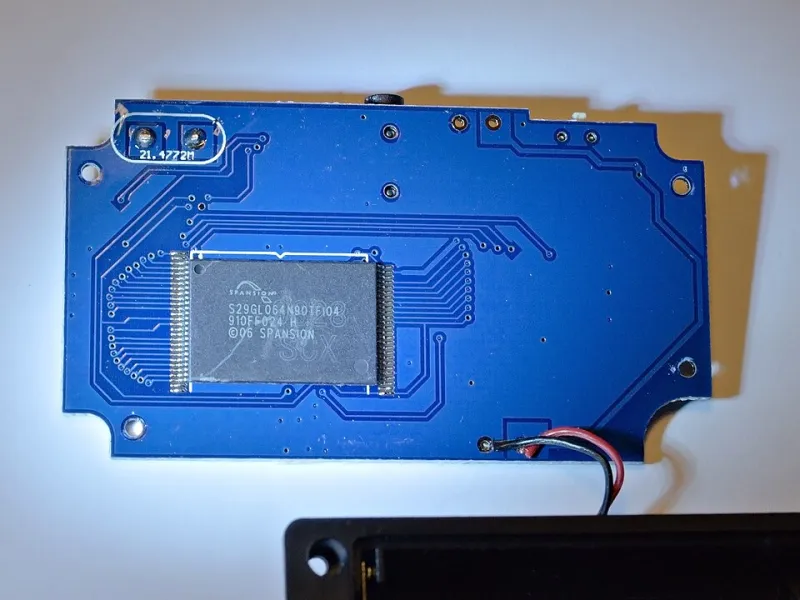
Photo: Multicherry, CC BY-SA 4.0, via Wikimedia Commons
Let's be honest. There's a version of you that has replayed the same childhood game at least three times in the last five years. Maybe it's an old SNES RPG. Maybe it's the original Halo on a dusty Xbox. Maybe it's booting up a PS1 emulator at 1 a.m. because "nothing hits the same anymore."
And look — that feeling is real. Nostalgia isn't fake. The warmth you get from revisiting a game you loved at age ten is genuine, neurologically documented, and deeply human. But here's the uncomfortable question nobody in the retro gaming community really wants to sit with: What if that feeling is holding you back?
At Yu-Topia, we're all about building forward — toward better experiences, richer creative lives, and gaming identities that actually grow with us. And that means occasionally calling out the traps, even the cozy-looking ones.
Why Nostalgia Feels Like Truth
The psychology here is pretty well-mapped. When you experienced a game as a kid, your brain wasn't just processing gameplay — it was encoding an entire emotional context. The freedom of a summer with no responsibilities. The first time you had your own TV in your room. The friend group that stayed up all night cracking a boss fight together.
The game didn't create that magic. The game was just there when the magic happened.
Fast forward to now, and your adult brain — stressed, overscheduled, and quietly exhausted — goes hunting for that feeling again. It finds the game. It does not find the summer. And instead of recognizing that gap, a lot of us conclude that modern games are just worse. That developers "don't make them like they used to." That the golden age has passed.
Spoiler: The golden age was never really about the games.
The Industry That Built a Museum and Called It Innovation
Here's where things get a little uncomfortable for the market side of things. The gaming industry has gotten remarkably good at monetizing your memory.
Pixel-art aesthetics, "HD remasters" of games that came out fifteen years ago, anniversary editions, legacy collections, retro-themed indie releases designed to look like they were made in 1994 — these aren't just love letters to the past. They're calculated products engineered to trigger your nostalgia response and open your wallet.
None of that is inherently evil. Some remasters are genuinely excellent. Some pixel-art games are among the most creative things released in the last decade. But there's a difference between honoring retro craft and hiding inside it. When an entire corner of the industry exists primarily to sell you a feeling you already had, that's worth noticing.
The retro revival trend has also created a weird feedback loop in gaming culture. Players who feel burned by modern AAA releases retreat to "safe" classics. Developers see the engagement numbers on retro content and lean harder into nostalgia bait. Critics reward the familiar. And the cycle tightens.
Meanwhile, genuinely weird, forward-thinking games — the ones that might actually give you new formative memories — get buried.
The Creative Dead-End Nobody Talks About
Here's what really gets lost in all of this: your own evolving gaming identity.
Your taste in music probably didn't freeze at age fourteen. You've added new artists, new genres, new moods to your rotation over the years. Gaming can work the same way — but only if you let it.
When nostalgia becomes your primary filter for what's "good," you stop developing taste and start defending a museum exhibit. You become someone who evaluates every new release by how closely it resembles something you already loved, rather than asking what this new thing is actually trying to do.
That's a creative dead-end. And it's especially limiting if you're someone who makes content, streams, or participates in gaming communities. Audiences can feel the difference between someone who genuinely explores and someone who performs passion for things they've already processed a hundred times.
How to Actually Break the Loop
So what does a healthier relationship with gaming history look like? A few honest suggestions:
Give new genres a real chance, not a test. There's a difference between trying a new game and trying it fairly. If you load up a genre you've never engaged with and quit after forty minutes because it doesn't feel immediately intuitive, that's not a review — that's a reflex. Give unfamiliar experiences the same patience you'd give a game you already know you love.
Separate the memory from the medium. Next time you feel pulled toward a classic, ask yourself what you're actually chasing. Is it the game? Or is it the feeling of being twelve with nowhere to be? Naming that honestly can free you up to go find something new that creates its own version of that feeling.
Diversify your gaming diet on purpose. Pick one game per month that is completely outside your comfort zone — different genre, different visual style, different tone. Treat it like trying a new restaurant, not a punishment. You won't love everything. But you'll be surprised how often something unexpected lands.
Be a little suspicious of the word 'timeless.' When gaming culture calls something timeless, it often just means familiar. Real timelessness is rarer than we admit. And plenty of modern games are building the kind of depth and craft that will absolutely be called "classics" in twenty years.
The Utopia You Haven't Played Yet
At its core, the nostalgia trap is a fear problem. It's the fear that nothing new will ever matter as much as what already did. That the best experiences are behind you. That growth means loss.
But that's not actually how joy works. The part of you that fell in love with gaming as a kid wasn't attached to any specific title — it was open, curious, and ready to be surprised. That capacity doesn't expire. It just needs permission.
The gaming landscape right now — for all its genuine problems — is also more creative, more diverse, and more ambitious than it has ever been. Indie developers are doing things with narrative and mechanics that would have seemed impossible twenty years ago. New genres are being invented. Old ones are being reinvented in ways that actually justify the update.
Your next favorite game probably doesn't look like your last one. That's not a threat. That's the whole point.
So fire up something weird. Something new. Something you have absolutely no nostalgia for yet.
Give it a chance to become a memory worth keeping.